
The Democratic Museum Is Not Neutral
On values, power, and choosing where we stand

This post is part of a short series adapted from my 2025 keynote and article for the German Museums Association on museums and democracy.
At the heart of that work is a simple but challenging claim: the democratic museum is not neutral.
For decades, museums have told themselves a comforting story: that neutrality is a virtue, that standing apart from politics protects public trust, that presenting “both sides” is the safest way to serve everyone.
But the truth is this: museums have never been neutral.
Every choice a museum makes—what it collects, what it displays, whose knowledge is valued, which stories are centered or omitted—is shaped by power. Neutrality has never meant the absence of values; it has simply meant alignment with certain dominant ones.
If museums are serious about strengthening democracy, we have to be honest about this first.
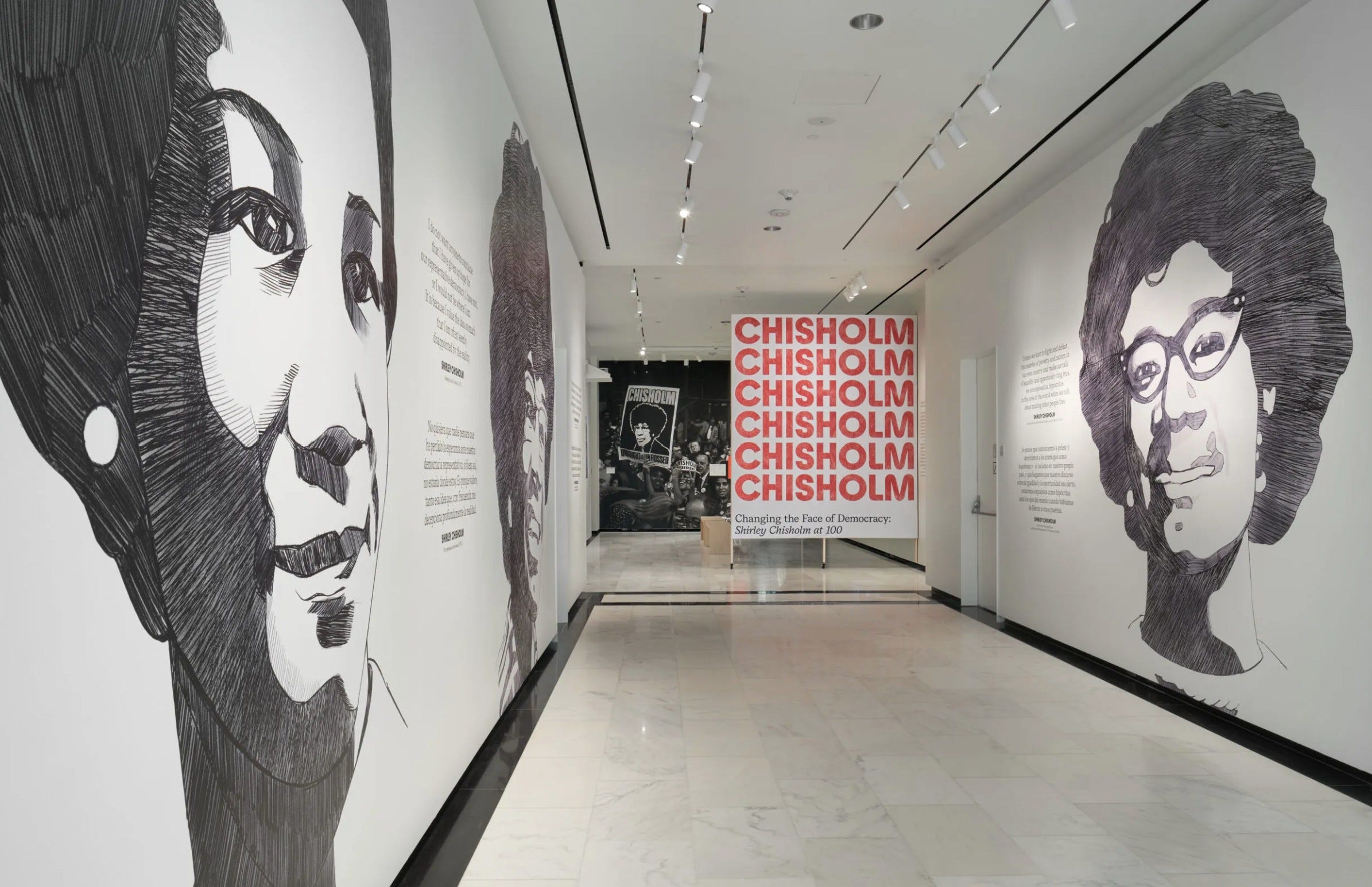
Neutrality as a shield—and a trap
In moments of political pressure, neutrality often feels like protection. When funding is threatened, when leaders are scrutinized, when governments push back against equity, inclusion, or difficult histories, staying “neutral” can seem like the only viable option.
But neutrality does not remove museums from politics. It removes museums from accountability.
Silence, especially in moments of democratic crisis, does not preserve trust—it erodes it. Communities notice who is protected and who is not. They notice which histories are defended and which are quietly set aside. Over time, neutrality becomes less a shield and more a trap: one that distances museums from the very publics they claim to serve.
Democracy does not require museums to advocate for a political party or ideology. It requires them to stand for pluralism, truth, equity, and public participation—even when doing so is uncomfortable.
What a democratic museum stands for
A democratic museum does not pretend to float above society. It understands itself as embedded within it.
That means acknowledging that museums shape public narratives, collective memory, and civic imagination. It means recognizing that democracy is not only something we teach about—it is something we enact through our structures, relationships, and daily decisions.
This is not about being loud or provocative for its own sake. It is about clarity of values.
A democratic museum:
values shared authority over unilateral expertise
prioritizes participation over passive consumption
protects space for multiple truths, especially those historically marginalized
understands care, inclusion, and justice as public responsibilities
These commitments are not political slogans. They are democratic practices.
Working under constraint does not mean abandoning values
Many museum professionals today are doing this work under real constraints: government oversight, restrictive policies, funding dependencies, or hostile political climates. In some contexts, even naming concepts like equity or inclusion carries risk.
But advancing democracy does not always look like bold public statements or headline-making exhibitions. Often, it looks quieter—and more relational.
It lives in:
how staff treat one another behind the scenes
whose expertise is trusted in planning processes
which community relationships are sustained even when visibility is limited
how educators frame questions rather than dictate answers
how leaders protect staff and partners when pressure mounts
Democracy is practiced not only on gallery walls, but in meeting rooms, email exchanges, hiring decisions, and community conversations that never make the annual report.
A question of courage—not perfection
Choosing not to be neutral does not mean having all the answers. It does not mean getting everything right. It means being willing to ask harder questions—and to sit with discomfort.
Questions like:
Who benefits from our silence?
Who bears the cost of our caution?
What values are we protecting—and whose values are those?
The democratic museum is not a finished model. It is a practice; a process, even. One that requires humility, reflection, and courage—not certainty.
An invitation to reflect
As you think about your own institution, I invite you to consider:
Where do claims of neutrality show up in your work—and what do they make possible or prevent?
What values guide your decisions when policies are vague but pressure is real?
Where are there opportunities to practice democracy quietly, relationally, and persistently?
Neutrality may feel safe in the short term. But democracy asks more of us.
Next up in this series: what participatory democracy actually looks like in museum practice—and why engagement alone isn’t enough.
Mike, have you collaborated with Kelly Cannon-Miller in this work?
I haven't -- but sounds like she's doing great work at the Deschutes Historical Museum down in Bend. Perhaps our paths will cross at some point.